Popular Wood Types Used for Deck and Porch Construction
People seeking deck and porch construction often want durable, attractive wood options, and local contractors can help select and install the best types for their project.
If you're considering building or upgrading a deck or porch, understanding the popular wood types used for construction can make a significant difference in your project. Property owners in the area often explore this topic to ensure their outdoor spaces are both durable and visually appealing. Choosing the right wood can impact everything from longevity to maintenance needs, making it a practical concern for those looking to enhance their property’s outdoor living areas. As you read on, you'll discover how different wood options can align with your style and functional goals, and how local contractors experienced in deck and porch construction can help bring your vision to life using the best materials for your needs.
Exploring the popular wood types used for deck and porch construction provides valuable insight into what works well in the local environment and for various design preferences. Property owners who want a long-lasting, attractive outdoor space often turn to local service providers who understand the advantages of different woods and can recommend the best options for their specific situation. Whether you’re interested in classic cedar, resilient composite, or other materials, understanding these choices can guide your decision-making process. Keep reading to learn more about the materials that local contractors frequently work with and how they can assist in creating a beautiful, functional outdoor area tailored to your property.
- Pressure-treated wood - homeowners considering budget-friendly options for durable decks and porches often turn to local contractors experienced in installing pressure-treated lumber.
- Ipe and exotic hardwoods - those seeking long-lasting, high-end finishes for their outdoor spaces can rely on local service providers skilled in working with exotic wood types.
- Cedar and redwood - individuals wanting natural resistance and aesthetic appeal for their decks and porches frequently work with local pros familiar with these popular softwoods.
- Composite and synthetic materials - clients interested in low-maintenance and weather-resistant options often find local contractors who specialize in installing composite decking and porch surfaces.
- Mahogany and tropical hardwoods - people aiming for a luxurious look and durability for their outdoor structures often contact local experts experienced in handling premium wood types.
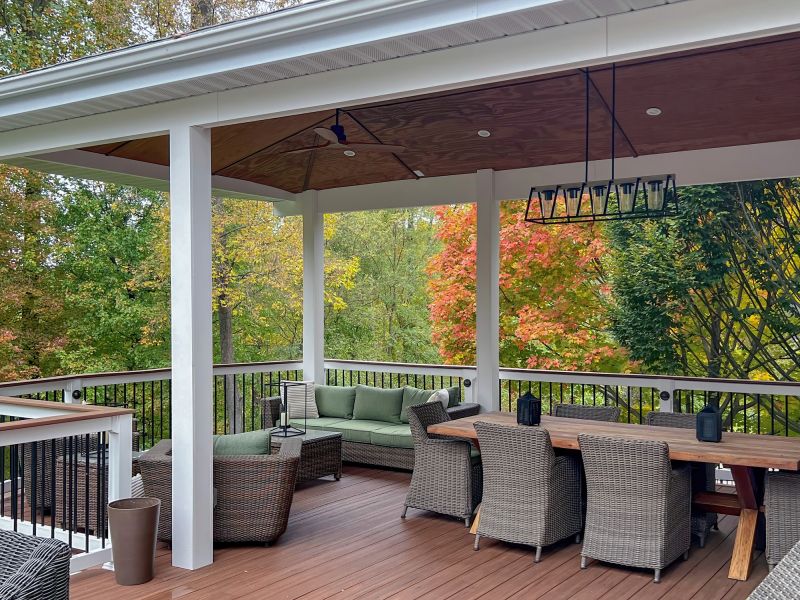
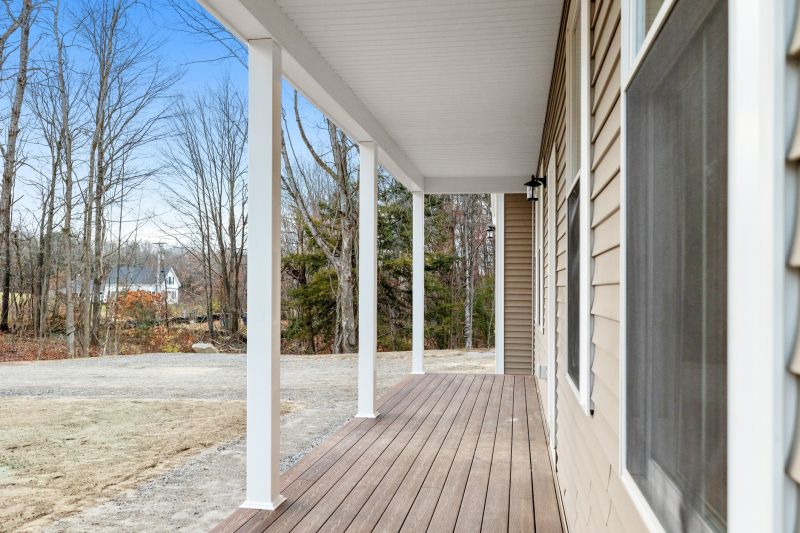
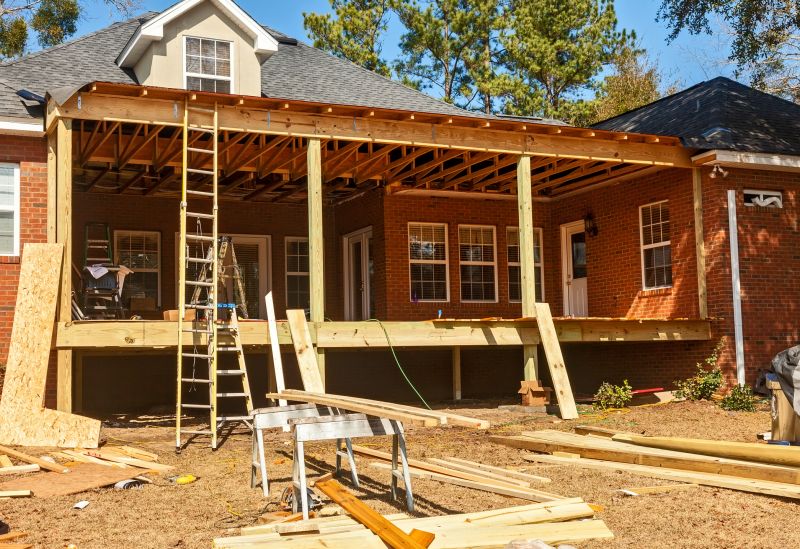
When searching for information about popular wood types used for deck and porch construction, homeowners are often seeking guidance on selecting the best materials for their outdoor living spaces. This topic typically relates to plans for building or upgrading decks and porches, whether for leisure, entertainment, or increasing property value. Many property owners want to understand which woods offer durability, aesthetic appeal, and ease of maintenance, so they can make informed decisions when working with local contractors. The choice of wood impacts not only the appearance of the deck or porch but also its longevity and resistance to weather, pests, and wear over time.
This subject connects to a variety of common problems and project considerations. Homeowners frequently face challenges like choosing materials that withstand local climate conditions, require minimal upkeep, or match the style of their property. Others may be planning a new outdoor feature or replacing an aging structure, and need to know which wood types will perform well over the years. Understanding the differences between popular wood options helps property owners communicate their preferences to local service providers, ensuring the finished project meets expectations for appearance and durability.
Properties that typically come up in discussions about wood types for decks and porches include single-family homes, suburban residences, and rural properties with large outdoor spaces. These structures are often built on existing concrete or wood foundations, and their design can range from simple platforms to elaborate multi-level setups. Homeowners with different aesthetic tastes and functional needs look for wood options that complement their property's architecture, whether they prefer a traditional, rustic, or modern look. Local contractors can advise on the best wood choices based on these property types and specific project goals.
Popular wood types used for deck and porch construction generally include pressure-treated pine, cedar, redwood, and tropical hardwoods like ipe or tigerwood. Each type offers unique benefits and considerations, such as resistance to rot, insect damage, or warping. Homeowners should consider how these woods will perform in their local environment and how they align with their maintenance preferences. Connecting with experienced local service providers can help clarify these options, ensuring the selected materials match the property's needs and the homeowner’s vision. These professionals can guide property owners through the decision-making process and handle the installation with expertise.
Fence installation projects - carpentry skills and wood selection knowledge used in deck and porch construction are essential for building durable, attractive fences with similar materials.
Outdoor furniture crafting - designing and constructing custom outdoor furniture shares techniques related to working with popular wood types used for decks and porches.
Pergola and gazebo construction - these outdoor structures require planning and woodworking skills comparable to those needed for deck and porch projects.
Interior woodwork and finishing - interior carpentry involving wood paneling, trim, and custom features aligns with the craftsmanship involved in deck and porch building.
Garden arbor and trellis building - creating supporting structures for gardens involves similar planning and woodworking expertise as deck and porch construction.
Retaining wall construction - building sturdy retaining walls with wood or other materials involves skills applicable to framing and structural planning for decks and porches.
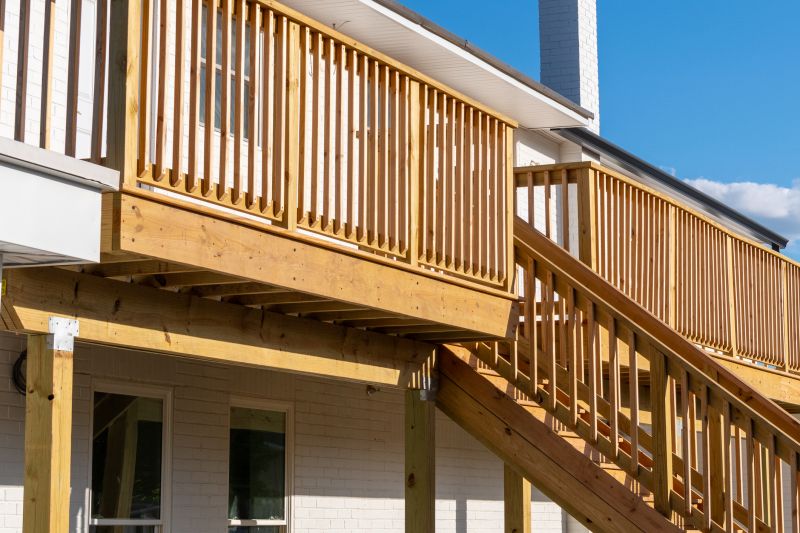
When evaluating local contractors for deck and porch construction, it’s important to consider their experience with projects involving popular wood types used for these structures. Homeowners should inquire about the types of wood the service providers have worked with and whether they have completed similar projects in the past. A contractor’s familiarity with different wood options can influence the quality and durability of the finished product, ensuring that the selected materials are properly handled and installed for optimal performance. Reputable service providers often have a portfolio of completed work or references that can attest to their expertise with various wood types, helping homeowners make more informed decisions.
Clear, written expectations are essential when comparing local contractors for deck and porch projects involving different wood materials. Homeowners should seek detailed proposals that outline the scope of work, including the specific wood types to be used, the preparation process, and finishing details. Having these expectations documented helps prevent misunderstandings and ensures that both parties are aligned on project deliverables. Good communication from the outset also includes a willingness to answer questions about the characteristics of various wood types, such as maintenance requirements and suitability for specific climates, which can influence the longevity and appearance of the deck or porch.
Reputable local contractors should be able to provide references from previous clients who have had similar projects completed with the wood types in question. These references offer insights into the contractor’s workmanship, reliability, and how well they manage projects involving different materials. Additionally, effective communication throughout the process is a key indicator of a professional service provider. Homeowners should look for contractors who are transparent about their processes, responsive to questions, and willing to discuss options for different wood types to ensure the final result aligns with their expectations and the specific needs of their outdoor space.
Property owners often search for popular wood types used for deck and porch construction when they are planning practical projects around their homes and businesses. Local pros provide Deck and Porch Construction services for everyday jobs and straightforward project options.
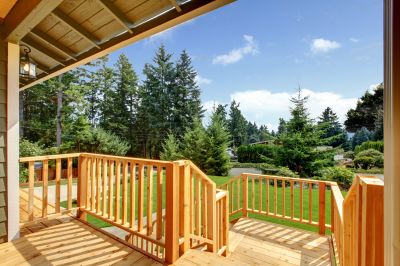
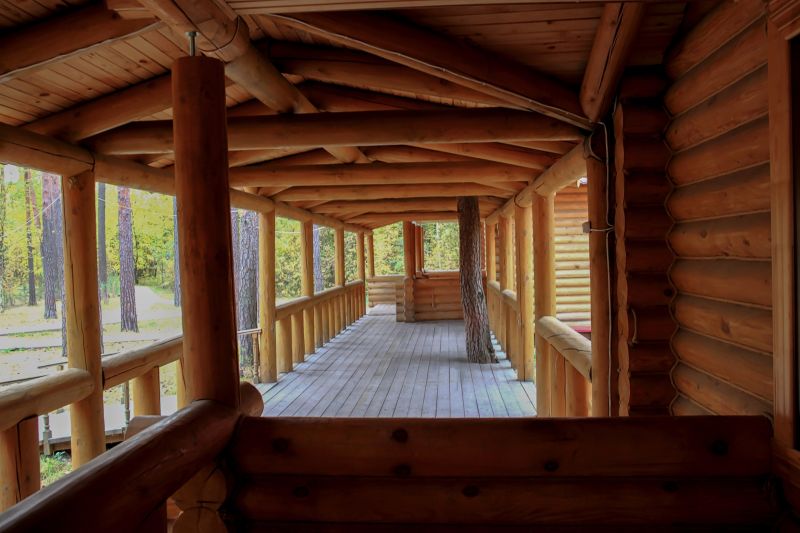
Many property owners in the area look into popular wood types used for deck and porch construction to help determine the best materials for their outdoor spaces. Understanding the differences between options like cedar, pressure-treated pine, and composite woods can influence decisions based on durability, appearance, and maintenance needs. Homeowners often seek guidance on which wood types stand up well to local weather conditions and how they can enhance the overall look and longevity of their decks and porches.
When considering deck and porch construction, local contractors can provide valuable insights into the most suitable wood types for specific project goals. They can help evaluate factors such as resistance to pests, moisture, and decay, ensuring the chosen materials meet the demands of the local environment. Connecting with experienced service providers can make it easier to select the right wood for a durable, attractive outdoor feature that complements the property’s style and withstands the test of time.
What are some popular wood types used for deck and porch construction? Common choices include cedar, pressure-treated pine, redwood, tropical hardwoods like ipe, and composite materials that mimic wood.
Which wood types are most durable for outdoor decks and porches? Woods like cedar, redwood, and tropical hardwoods are known for their durability and resistance to decay when used in outdoor construction.
Are there specific wood types that require less maintenance for decks and porches? Pressure-treated pine and composite materials typically require less maintenance compared to natural woods like cedar or redwood.
What factors influence the choice of wood type for a deck or porch? Factors such as climate, desired appearance, budget, and resistance to pests and decay impact the selection of wood types used in construction.
How can local contractors help in choosing the right wood for a deck or porch? Local contractors can advise on the best wood types suited to the area's climate, help with material selection, and handle the installation process for durable outdoor structures.
Choosing durable wood types can help property owners select materials that withstand foot traffic and weather exposure for their decks and porches, with local contractors providing expert guidance.
Considering wood appearance and grain allows homeowners to match the natural beauty of popular wood types used for deck and porch construction to their aesthetic preferences, with local service providers offering sample options.
Assessing maintenance needs helps property owners decide on wood options that require minimal upkeep, while local contractors can recommend suitable finishes and treatments for different wood types.
Understanding cost differences enables property owners to plan projects within their budgets, with local pros offering advice on the best wood choices that balance quality and affordability.
If you are thinking about popular wood types used for deck and porch construction for a property, this guide is meant to help you understand this topic, the typical project types, and how different options might fit your plans.
When you are ready, you can use the quote form on this page to share a few details about your project. From there, local pros can review the basics and follow up with options that match what you have in mind.